Build the rig
Pi 5 control, sensor integration, steady flow, and reference-air switching. Establish a repeatable baseline.
We’re building a small sensor module that draws in air and records how its gas sensors respond.
View the hardwareFirst, we need to check whether the sensors can distinguish odor sources across different days.
We’ll collect labeled samples under controlled conditions and record temperature and humidity alongside each run.

A pump, gas sensors, and a reference-air valve form the proposed sampling system.
A pump draws air through a narrow sensing channel. A sampling valve controls the pulses of air entering the channel.
Pump + sampling valveProposed air path / schematic
These are design choices for the first rig. Detection speed, classification accuracy, and long-term stability still need experimental validation.
The planned dataset pairs gas readings with sampling events, room conditions, and camera frames on one clock.
Raw sensor readings and heater steps
Temperature, humidity, CO₂, particles
Pump, valve, and reference-air states
Frame IDs on the same clock
73747576Example visualization only. No measured detection or classification result is shown.
Each record will include the sensor ID, a timestamp, the reading, and the sampling state.
Download a simulated record to inspect the proposed format. The data interface may change after testing.
Simulated values / proposed JSON formatWe’re two engineers working on the first rig. These are the next steps.

Pi 5 control, sensor integration, steady flow, and reference-air switching. Establish a repeatable baseline.
Labeled odor sessions across multiple days. Check performance on a day the model hasn’t seen.
Use the test results to revise the hardware and define a robot-facing data interface.
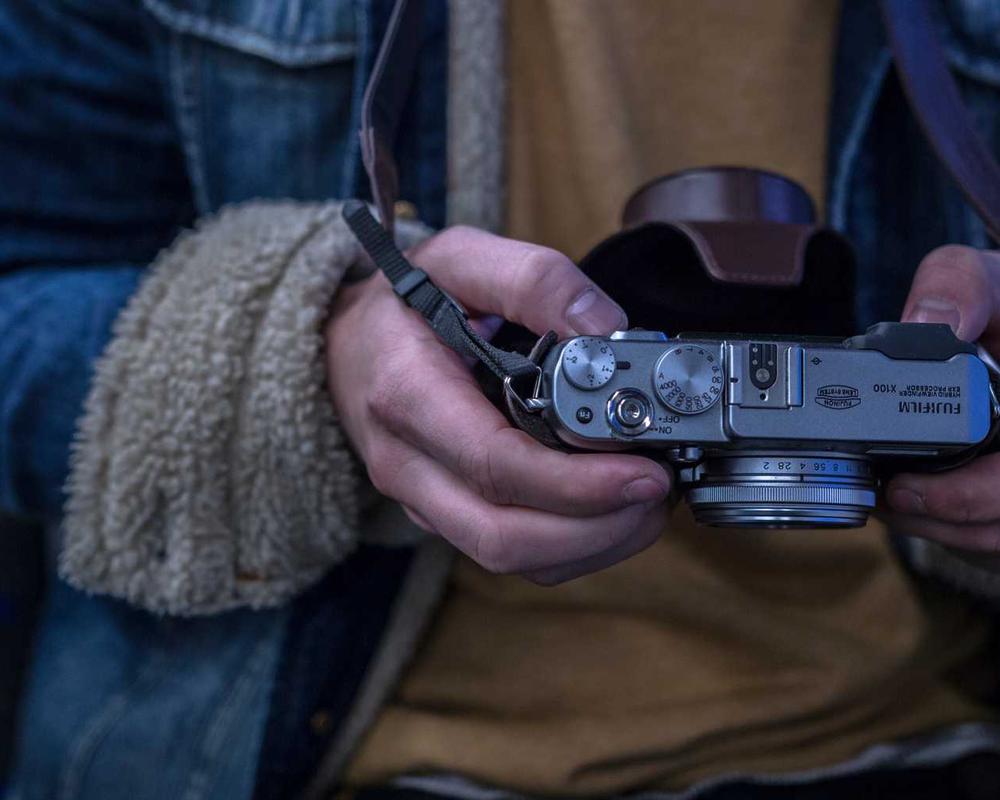
The design uses off-the-shelf sensors and a Raspberry Pi 5. Cost estimates are provisional. There is no retail price or shipping date.
Tell us what your robot needs to detect and where it will operate.